
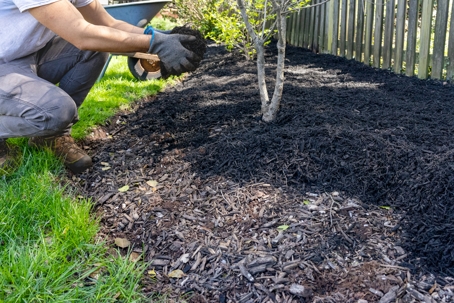
Mulching is one of the most beneficial and transformative practices you can perform for your The Woodlands landscape. It's not just about giving your flower beds and trees a polished, professional look; it’s a vital step in creating a resilient, healthy outdoor ecosystem that thrives through the intense Texas seasons.
At Purposed Landscaping, we consider proper mulching to be the foundation of a stunning, low-maintenance yard. By applying the right material at the correct depth, you’ll lock in moisture, regulate soil temperature, and naturally suppress weeds, saving you time and frustration all year long.
Understanding Mulch: Why It Matters in Texas
Mulch provides a protective barrier for your soil, acting as a natural insulator and sponge that is critical for managing the heat and occasional droughts common in the Greater Houston area.
Maximizing Moisture Retention and Soil Health
The Texas sun is unforgiving, leading to rapid water evaporation from exposed soil. A 2-to-3-inch layer of organic mulch dramatically slows this process, allowing your plants’ roots to stay hydrated longer, which means you need to water less frequently. As the organic material breaks down, it slowly enriches the soil with nutrients, improving its structure and supporting the beneficial microbial life essential for robust plant growth. This is especially important for the often-compacted clay soils found throughout Spring and Cypress.
Regulating Temperature and Suppressing Weeds
Mulch acts like a thermal blanket, keeping the soil cool during sweltering summers and helping to buffer against unexpected cold snaps in the winter. This stable temperature prevents root stress and promotes consistent growth. Furthermore, a thick, consistent layer of mulch is an incredibly effective, chemical-free weed control method. By blocking sunlight from reaching the soil, it prevents weed seeds from germinating. Those few that do manage to sprout are usually weak and easily pulled, making your groundskeeping much easier.
Choosing the Right Mulch for Your Houston Landscape
The type of mulch you choose can significantly impact both the look and long-term health of your beds. For the best performance in our specific climate, organic shredded wood products are generally preferred.
Native Hardwood Mulch: The All-Around Workhorse
Shredded hardwood mulch is a top choice for its affordability, moisture-retention capabilities, and natural aesthetic. As it decomposes, it adds excellent organic matter back into the soil, slowly feeding your plants. Because it’s shredded, it also interlocks nicely, making it a great option for slight slopes in your The Woodlands landscape.
Cedar Mulch: Aromatic and Long-Lasting
Cedar mulch is known for its longevity and a pleasant, natural aroma. It decomposes more slowly than hardwood, meaning you won’t need to refresh it as often. Many homeowners also appreciate that the natural oils in cedar can help deter certain pests.
Colored Mulch: For Maximum Curb Appeal
If you’re looking for a sharp, defined appearance—perhaps to highlight a new planting or a hardscape feature—colored mulch (such as black or deep brown) offers a striking contrast. Be sure to choose a high-quality product dyed with non-toxic, plant-safe colorants.
Application Tips: The Purposed Landscaping Method for Success
Getting the mulch depth and placement right is crucial. Incorrect mulching can actually harm your plants, so always follow these guidelines:
The 2-to-3-Inch Rule: Apply a layer of mulch that is consistently 2 to 3 inches deep across the bed area. This is the optimal depth for weed suppression and moisture retention without suffocating the roots.
The Donut, Not the Volcano: The most important rule for mulching around trees and shrubs is to keep the mulch away from the trunk or stem. Leave a donut-shaped gap of a few inches of bare soil immediately around the base of the plant. Piling mulch directly against the trunk (the "volcano" effect) traps moisture, which can lead to bark rot, insect infestation, and disease.
Prepare the Bed: Before applying new mulch, clear out existing weeds and debris. If you have older mulch that is still in good shape, simply top it off to restore the proper 2-to-3-inch depth.
Timing is Key: The best time to apply or refresh mulch in Texas is in late winter or early spring before the extreme heat arrives and before weeds have a chance to germinate.
Proper mulching is a small investment that yields significant returns in the form of a healthier, more vibrant, and lower-maintenance landscape. For professional mulching, landscape design, or groundskeeping services throughout Harris County, including Cypress and Spring, reach out to the experts at Purposed Landscaping by calling (281) 819-5225. We’re here to help you cultivate an outdoor space you'll be proud of.